Walnuts Unveiled: A Closer Look at Nature's Brain Food
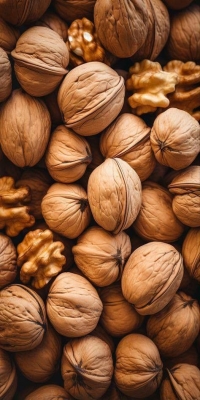
In the realm of nutrition, walnuts hold a distinctive position. Renowned for their crunchy texture and rich, earthy flavor, they are a cherished staple in cuisines worldwide. Presented in a variety of forms, some are whole, encased in their hard, wrinkled shells, a testament to nature's packaging. However, others have been shelled, revealing the convoluted, brain-like kernel inside. The shelled and exposed walnuts offer a glimpse into the intricate structures that make up this nutritious nut.Walnuts, both in their shelled and unshelled forms, flaunt a unique color palette. The outer shell's rugged surface exhibits hues of deep brown, interspersed with patches of lighter tan. Contrarily, the exposed kernel displays a warmer, amber tone, with dotted lines and grooves that accentuate its complexity. The textures of these nuts are equally fascinating. The shells, rough and grooved, provide a stark contrast to the smooth, yet corrugated surface of the kernel inside. This juxtaposition serves as a visual reminder of the nut's dual nature: a tough exterior protecting a delicate, nutrient-rich core.The consumption of walnuts extends beyond their taste. They are a powerhouse of essential nutrients, including Omega-3 fatty acids, proteins, and antioxidants. Regular consumption of these nuts can boost heart health, improve cognitive function, and even aid in weight management.Therefore, whether in their shell or exposed, walnuts are not just a culinary delight but a tribute to nature's ingenuity. They demonstrate how the most unassuming foods can harbor a wealth of health benefits, proving that good things indeed come in small packages.


Related Puzzles

Peach Harvest: A Symphony of Color, Taste, and Nutrition

Colorful Fruit Platter: A Delicious Way to Enjoy Fresh Fruits

Exquisite Morning Coffee with Floral Accent

Captivating Coffee Cup Overflowing with Fresh Beans

Captivating Dynamics of a Coffee Splash
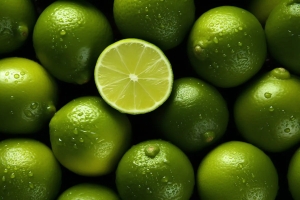
Vibrant Green Limes: A Burst of Tropical Freshness
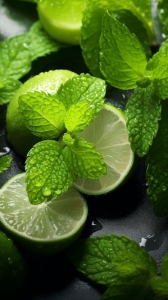
Refreshing Green: Mint Leaves and Lime Halves