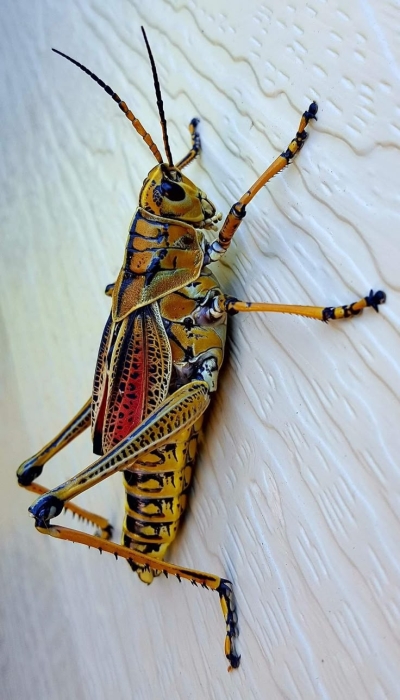
Unveiling the Intricate Details of a Grasshopper's Body Structure
Grasshoppers are an incredible specimen in the insect kingdom. Their detailed body structure and coloration are nothing short of an artistry in nature. One of the most fascinating aspects of grasshoppers is their close-up view, revealing the intricate patterns and textures that make them unique. Each grasshopper boasts a unique coloration, often in hues of green, brown, or a mix of both. This not only adds to their aesthetic appeal but also serves a practical purpose. It provides a natural camouflage, enabling them to blend seamlessly into the environment and evade predators. The grasshopper's body structure is another noteworthy aspect. Composed primarily of a head, thorax, and abdomen, it's a marvel of natural engineering. The head houses compound eyes, antennae, and mouthparts, all working together to navigate and consume a diet primarily of plants. The thorax, on the other hand, houses the powerful legs that give the grasshopper its infamous jumping ability, as well as wings for those species that can fly. Lastly, the abdomen contains the reproductive and digestive system parts, vital for the continuation of the species.This particular grasshopper seems to be resting on a textured surface, perhaps taking a break from its usual activities. Such moments of rest are rare to observe, making this a special sight. It's a reminder of the quiet beauty that exists in the smallest corners of the natural world – beauty that often goes unnoticed as we go about our daily lives. So, let's take a moment to appreciate the intricate details of a grasshopper's body structure and coloration, revealing the fascinating world of these humble creatures.

Related Puzzles
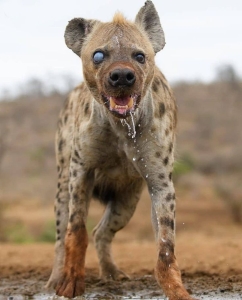
The Spotted Hyena: A Unique Carnivorous Mammal

Arctic Whispers: A Close Encounter with a Winter Fox
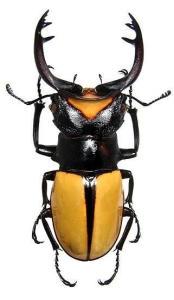
Stag Beetle: A Closer Look at Its Unique Features and Coloration
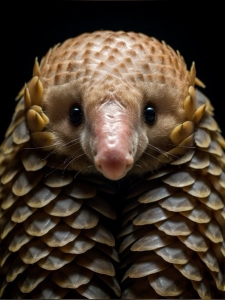
The Unique Charm of Pangolins: Nature's Scaly Anteaters
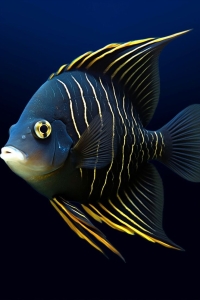
Vibrant Angelfish: A Splash of Yellow in the Deep Blue
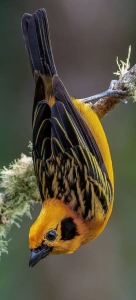
Vibrant Yellow Bird: An Upside-Down Marvel in Nature
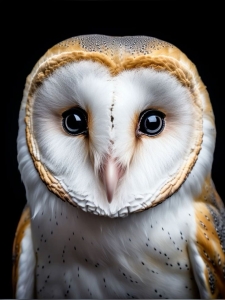
Exquisite Close-Up of a Barn Owl in Darkness: A Study of Its Unique Features