The Majestic Horsetail Plants: A Glimpse into Ancient Flora
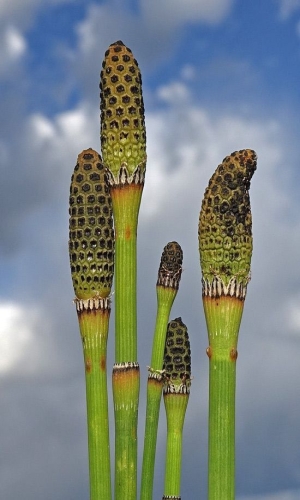
There is something inherently mesmerizing about horsetail plants. Towering with tall, green stems and crowned with distinct cone-shaped tips, they lend an exotic touch to the landscapes they grace. As one steps closer, their unique, ancient appearance becomes more evident, transporting you back to a time when earth was a wild, unexplored territory. These plants, often found in wetland areas, are more than just botanical wonders; they are living fossils, remnants of an era long gone. These horsetails are not just visually captivating, but they also serve a crucial ecological role. Since they are typically found in wetland areas, they play an integral part in maintaining the health and diversity of such ecosystems. Their robust root systems help prevent soil erosion, and they provide a valuable habitat for numerous wetland creatures. Yet, the charm of horsetails extends beyond their ecological importance. Their tall, sturdy stems, swaying gently with the breeze against a backdrop of a cloudy sky, make for an enchanting sight. The way the sunlight filters through the clouds, casting a soft, diffused glow on the green stems, is a sight to behold. In essence, horsetail plants are much more than just another species of flora. They are a window into the past, a vital component of wetland ecosystems, and a beacon of natural beauty. So, the next time you come across these green giants, take a moment to appreciate their ancient grace and ecological significance.
Related Puzzles
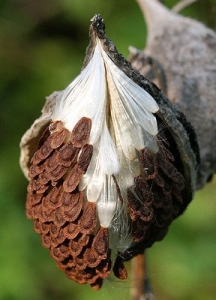
Unveiling Nature's Mystery: A Close-up Look at a Seed Pod

Dawn Break Over Bled, Slovenia: A Tranquil Island Church Panorama

Basking in Sunshine: The Radiant Oranges of Summer
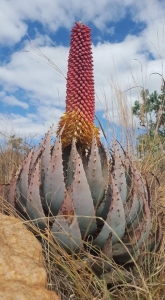
Dance of the Agave: A Vivid Display of Nature's Beauty
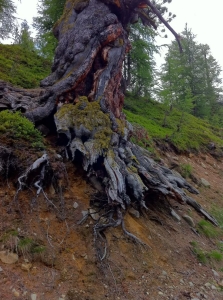
Majestic Tree with Exposed Roots: A Testament to Nature's Resilience
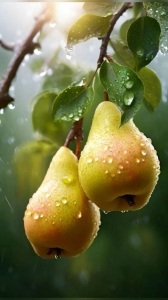
Dew-Kissed Pears on a Branch: A Testament to Nature's Bounty

Relaxing Moments with Cats in Ho Chi Minh City, Vietnam