The Enchanting Beauty of the Chinese Lantern Plant
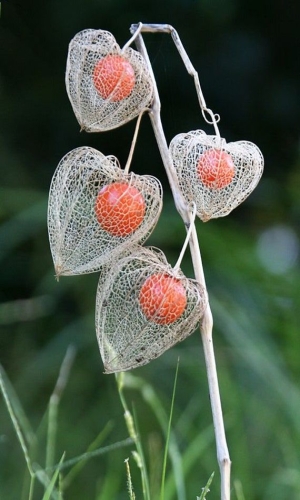
The world of botany is a treasure trove of unique and captivating species. Among them, the Chinese Lantern Plant (Physalis alkekengi) holds a special place for its distinct appearance and vibrant colors. Its heart-shaped husks, delicate as lace and reminiscent of ornamental lanterns, draw the eye and invite curiosity. Within these husks lie seeds of a bright, fiery orange, a stark contrast to the paleness of their protective shell. This intriguing plant, native to regions of Asia and Europe, adds a touch of mystique to any garden. It's not just a feast for the eyes, but it also holds a rich history and significance in various cultures. In Chinese tradition, the lantern-like husks are considered symbols of good fortune and prosperity, often used as decorations during the Lunar New Year and Mid-Autumn Festival.Beyond its cultural relevance, the Chinese Lantern Plant is recognized for its medicinal properties. Traditional Chinese medicine employs the plant's roots to treat various health conditions, from inflammation to respiratory ailments. The bright orange seeds, hidden within their lantern-shaped husks, are known to be rich in vitamin C and have antioxidant properties.However, as enchanting as the Chinese Lantern Plant is, it's important to note its invasive nature. Its resilience and adaptability make it a species that can easily spread and overtake native flora. Therefore, responsible planting and maintenance are crucial to preserving biodiversity.The Chinese Lantern Plant embodies the charm and complexity of nature - a delicate balance between beauty and invasiveness, tradition and modernity, medicine and toxin. It's a testament to the multifaceted world of botany, where each plant tells its own unique and captivating story.
Related Puzzles

Exploring the Vibrant Underwater Paradise off the Islands of NEOM, Saudi Arabia

Vibrant Underwater Marvels at Nagoya Aquarium, Japan
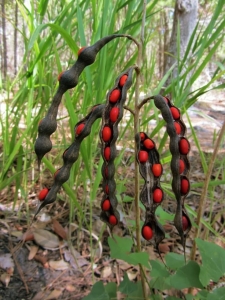
Marvelous Castor Bean Seed Pods: A Natural Symphony
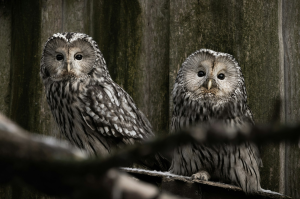
Ural Owls: Majestic Residents of Tallinn Zoo
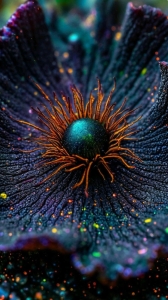
Exploring the Surreal Beauty of Nature's Intricate Designs
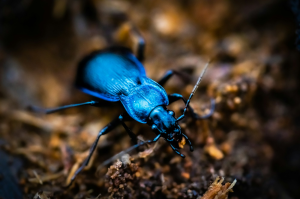
Macro Encounter: Blue Beetle in Groesbeek Woods, Netherlands

The Fascinating Encounter: A Human and Octopus Interaction