Red Squirrel in Natural Habitat: A Close Encounter
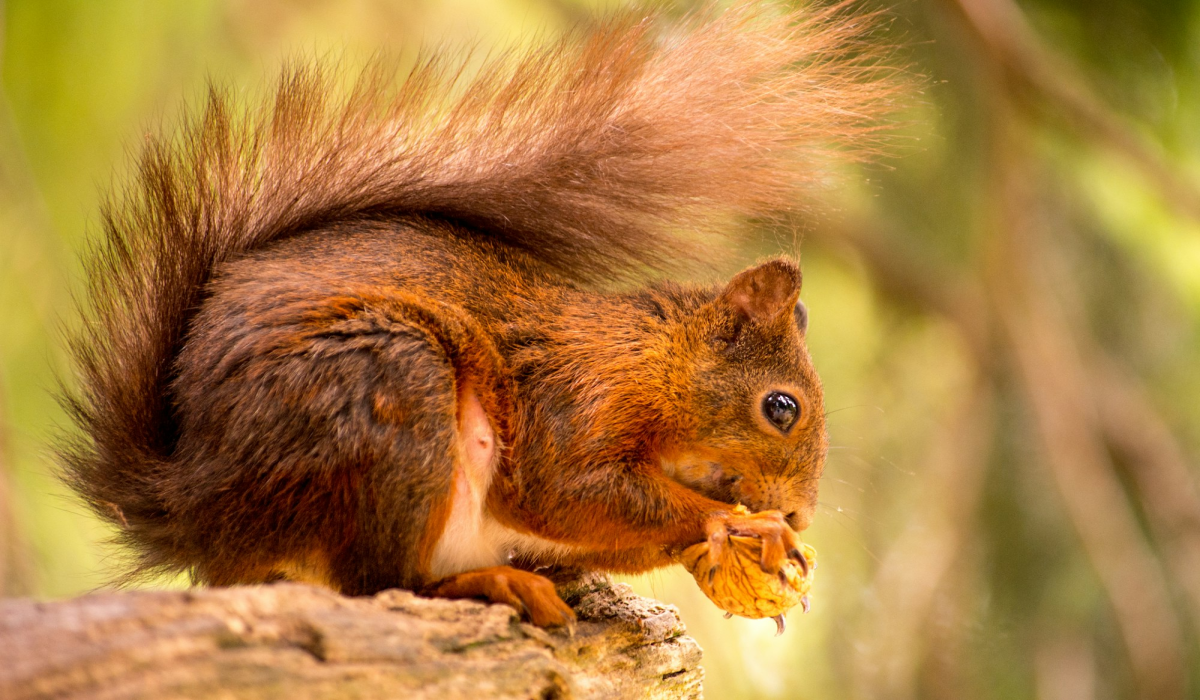
Encountering a red squirrel in its natural habitat is a delightful experience. This bushy-tailed creature, a common sight in many forested areas, is truly a spectacle to behold. These squirrels are small in size, but their presence is significant in the ecosystem they inhabit. Perched on a surface, likely a tree branch or a rock, the red squirrel is often found engaging in various activities, showcasing its vibrant personality. One such activity that is particularly appealing is when it holds something between its dainty paws. Perhaps, it's a nut or a small fruit, a testament to the squirrel's foraging skills and its diet that primarily consists of seeds, nuts, fruits, and insects.The red squirrel is easily recognizable with its distinct features. Its fur, ranging from red to reddish-brown, provides perfect camouflage against the bark of trees. But what stands out most is its bushy tail. Not just a charming feature, the tail serves multiple functions. It helps the squirrel maintain balance while navigating the treetops, keeps it warm during cold winters, and also acts as a signal device when sensing danger.Their natural setting is indeed a sight to marvel at. Amidst the rustling leaves, the squirrel's habitat comes alive. From the rustling of leaves to the chattering of other squirrels, the environment is vibrant and full of life. The squirrel's activities often mirror the rhythm of the forest, forming an integral part of the woodland's daily life.In conclusion, the red squirrel, with its engaging activities, distinct features, and the vitality it brings to its natural setting, offers a fascinating insight into the dynamic world of forest wildlife. Observing this creature is not just an opportunity to appreciate nature's beauty, but also a reminder of the importance of preserving these habitats for the wildlife that calls them home.
Related Puzzles
Yosemite Valley, United States

Exploring the Vibrant Underwater Paradise off the Islands of NEOM, Saudi Arabia
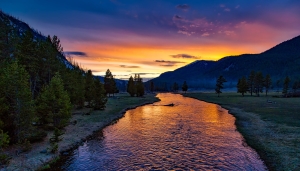
Sunset Twilight at Yellowstone National Park: A Dusk Landscape of Silhouettes

Underwater Splendor: Fish and Coral Diversity at S.E.A. Aquarium
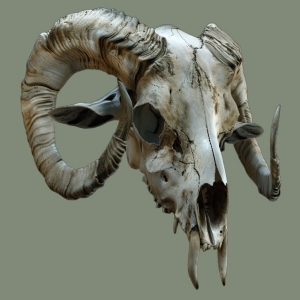
The Majesty of the Ram Skull: A Detailed Examination
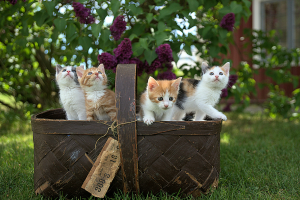
Playful Tabby Kittens in a Basket: A Snapshot from Karlskrona, Sweden

Uncovering the Charm of Serene Beach Landscapes