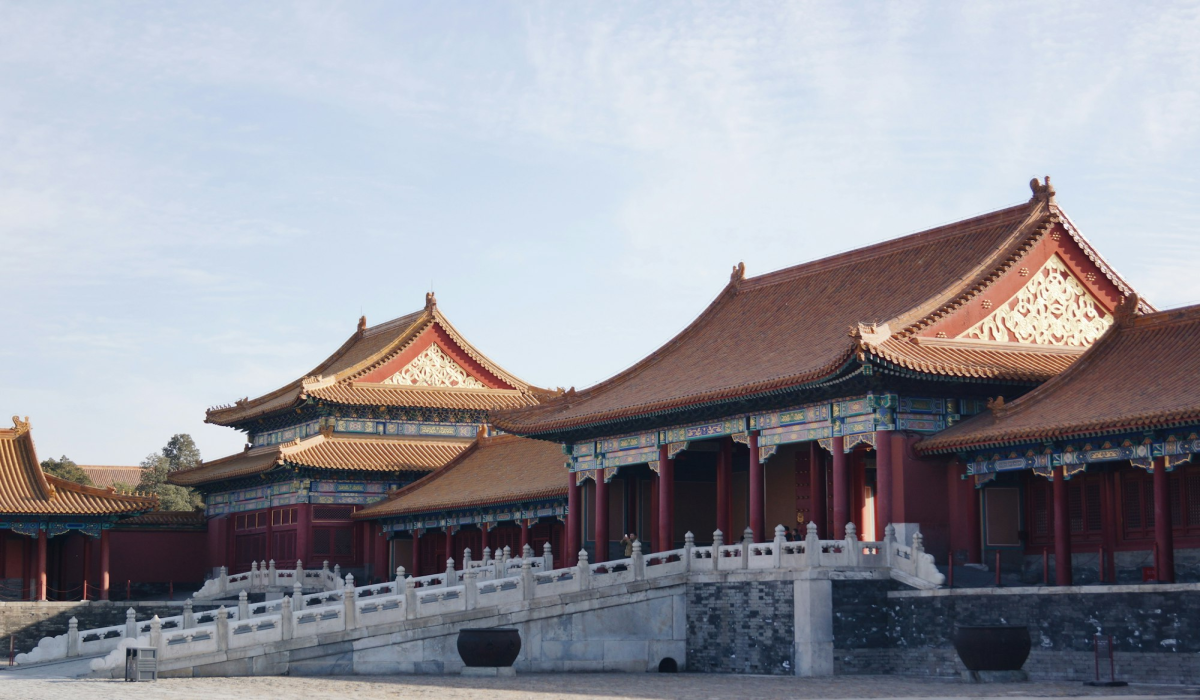
Exploring the Ornate Architecture of the Brown and Red Pagoda in the Forbidden City, Beijing, China
Nestled in the heart of Beijing, China, the Forbidden City stands as a testament to the nation's rich and complex history. In this ancient imperial palace complex, the brown and red pagoda stands out with its traditional Chinese architecture. Its ornate roofs and intricate designs are a sight to behold, echoing the grandeur of bygone eras.This brown and red pagoda is a quintessential example of imperial architecture. It's characterized by its vibrant red walls, which contrast beautifully with the brown roofs. The color palette was thoughtfully chosen, as red symbolizes good fortune and joy in Chinese culture, while brown represents the earth, grounding the structure in its cultural roots.The buildings are adorned with elaborate decorations that speak to China's intricate artistry. The roofs, in particular, are a masterpiece in themselves, complete with eaves that curve upwards, giving a sense of motion to the otherwise rigid structures. These design elements not only enhance the aesthetic appeal of the pagoda but also serve practical purposes. The upward-curving roofs, for example, are designed to ward off evil spirits, which are believed to travel in straight lines.Stone pathways crisscross the area around the pagoda, connecting various parts of the Forbidden City. They invite visitors to wander and lose themselves in the echoes of history. Walking down these paths, one can't help but marvel at the architectural prowess of the artisans of old.In essence, the brown and red pagoda in the Forbidden City is more than just a historical site. It's a living museum of traditional Chinese architecture, an emblem of China's imperial past, and a testament to the country's cultural richness. It stands proudly in Beijing, serving as a tangible reminder of the city's storied history.
Related Puzzles

Castle Rushen: A Pictorial Journey of Britain's Medieval Past
Golden Glimmer: Prokhorov's Chapel at Novodevichy Convent Amidst Autumnal Splendour in Moscow, Russia
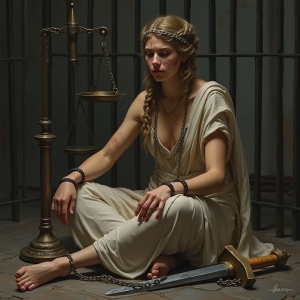
The Echo of Justice: A Woman Prisoner in the Realm of Mythology

Ancient Stone Relics: An Exploration of History Immortalized in Stone

The Majestic Peles Castle: An Architectural Masterpiece Amidst Nature
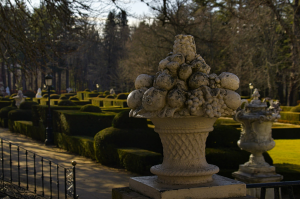
Decorative Stone Urn Adorned with Sculpted Fruits in the Gorgeous Gardens of Granja de San Ildefonso, Segovia

Mysterious Artifact: A Blend of Nature and Creativity