Dramatic Diablo Masks: Tradition and Art in Píllaro, Ecuador
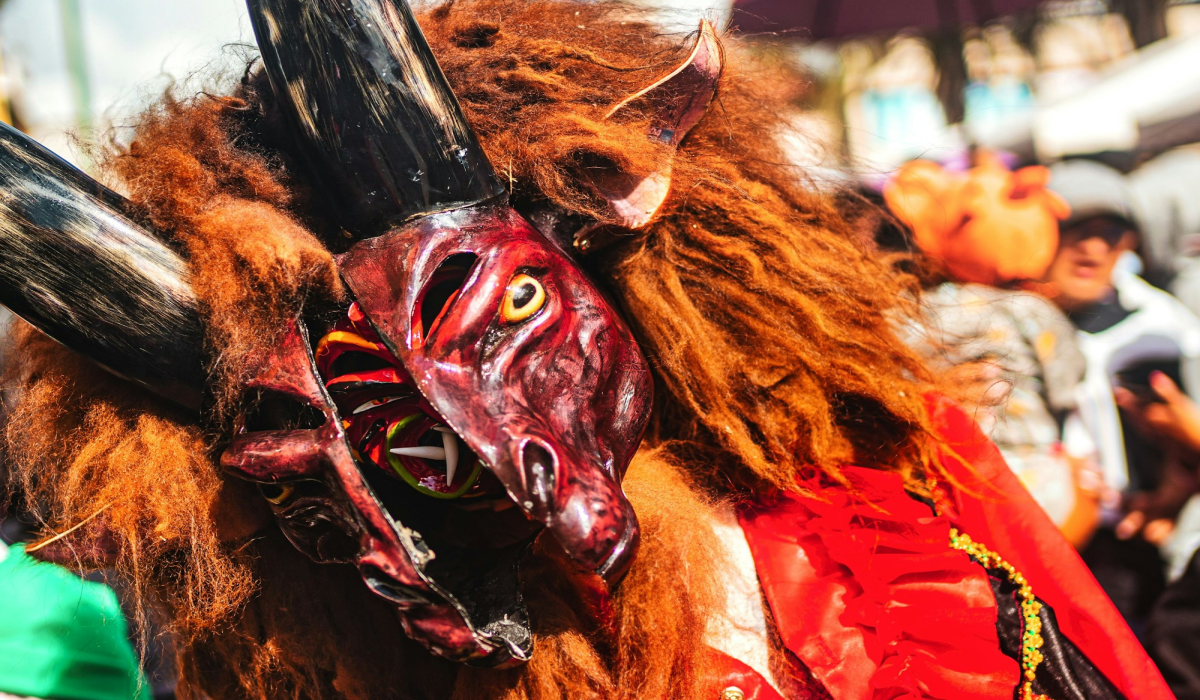
Stepping into the vibrant town of Píllaro, Ecuador, one is instantly drawn to the intensity and drama that pervades the local traditions. Nestled in the heart of Tungurahua province, Píllaro is renowned for its unique blend of culture and art, which manifests in numerous ways, the most striking of which is the use of diabolic masks in their festivities.The distinctive masks, such as those featuring prominent, red, horned faces with exaggerated features, weave a captivating narrative. They are a mix of animalistic and monstrous characteristics, creating a visual spectacle that is as fascinating as it is terrifying. These masks, with their intricate designs and vibrant colors, are not just pieces of art; they are a symbol of the town's rich cultural heritage and a testament to the fine craftsmanship in Ecuador.As you delve deeper into the traditions of Píllaro, you discover that these masks are typically worn during the famous 'Diablos de Píllaro' festival. This event, which takes place annually in the first week of January, sees locals and tourists alike donning these dramatic masks and partaking in a celebration that is as intense as the masks themselves.The festival is a mesmerizing display of Ecuadorian life, where the line between the human and the supernatural blurs. The masks, with their horned faces and exaggerated features, give life to the mythical 'diablos' or devils, who are said to roam the streets during the festival. The spectacle, while intense, is an essential part of Píllaro's tradition, providing a glimpse into a world where art, culture, and folklore intertwine seamlessly.The Diablo masks of Píllaro, with their intricate designs and intense aesthetics, are more than just wearable art. They are a symbol of a tradition that is deeply ingrained in the fabric of Ecuadorian life, a testament to the vibrant cultural heritage of Tungurahua, and an unforgettable experience for anyone lucky enough to witness it.
Related Puzzles
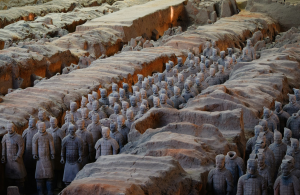
Unveiling the Magnificence of China's Terracotta Army

Unveiling Darkness: The Menacing Smile of Villainous Characters in Pop Culture
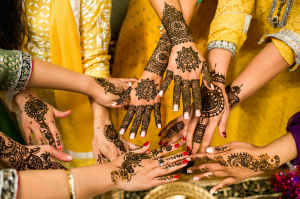
A Spiritual Journey through India's Festive Henna Traditions
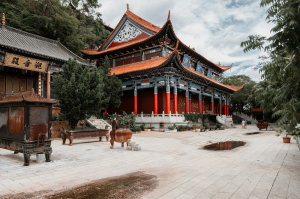
Exploring the Cultural Architecture of Yunnan: A Chinese Temple Immersed in Nature
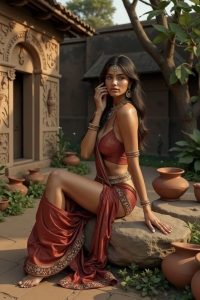
Timeless Allure: Woman in Traditional Attire Amidst Cultural Landmarks
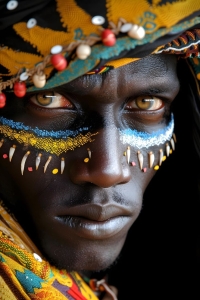
Artistic Expression through Traditional Facial Paint and Decorations
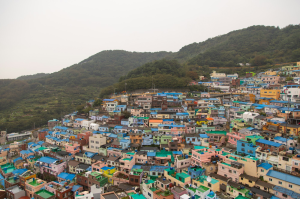
Vibrant Palette of Gamcheon Culture Village: A Colorful Hillside Community