The Intricate Anatomy of a Cockroach: A Close-Up Examination
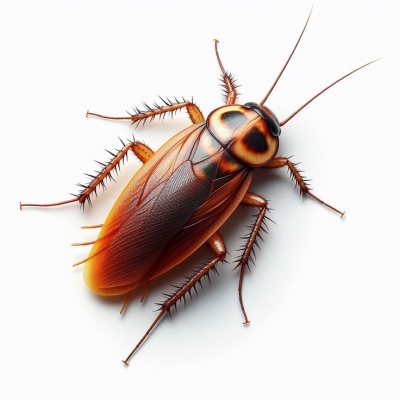
In the world of insects, the cockroach proudly stands as a species renowned for its resilience and adaptability. At first glance, their brownish color may seem mundane, yet it plays a crucial role in their survival. Blending seamlessly into the background, their brown hues act as a natural camouflage, effectively shielding them from predators. Upon closer inspection, what truly sets the cockroach apart is its distinct body shape. Their oval, flattened bodies and long antennae are unique adaptations that have allowed them to thrive in various environments around the globe. The cockroach is indeed an underappreciated marvel of evolution. Its hard exoskeleton, tinted in various shades of brown, provides the insect with a formidable defense mechanism against potential threats. Moreover, the cockroach's body shape is optimized for survival. Its form allows it to squeeze into tiny cracks and crevices, a skill that is vital in both seeking shelter and evading predators. Furthermore, a cockroach's antennae aren't merely ornamental. These long, slender sensory organs provide the insect with a heightened sense of touch and smell. They can detect minute changes in the environment, helping the cockroach to find food and mates, and avoid danger. In a nutshell, a cockroach is much more than just a common household pest. Its brownish color and distinct body shape tell a story of survival and adaptation that spans millions of years. So, next time you encounter one of these intriguing creatures, spare a moment to appreciate the intricate anatomy and biology that underlie its existence.
Related Puzzles
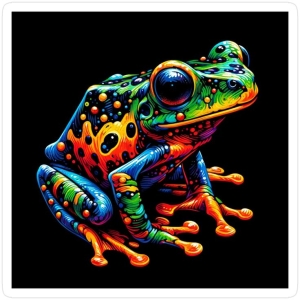
Vibrant Colors of a Tropical Frog: A Study in Nature's Palette

Underwater Serenity: An Aquarium's Colorful Display

Vibrant Spectacle: A Colorful Parrot's Striking Appearance
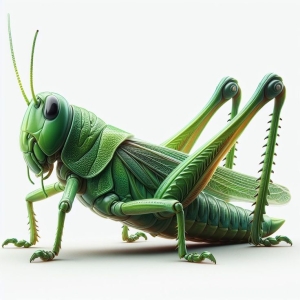
The Majestic Green Grasshopper: A Detailed Study
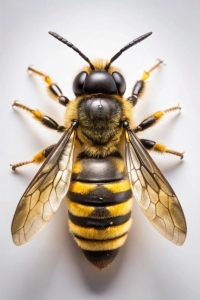
Intricacies of Bee Anatomy: A Close-Up Examination
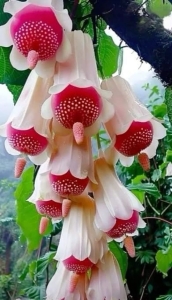
Unveiling the Beauty of Bell-Shaped Blooms in a Natural Setting
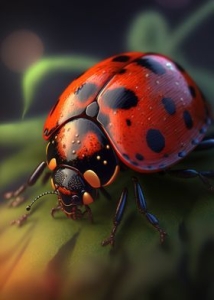
Exquisite Close-Up: Ladybug Resting on a Leaf in Nature