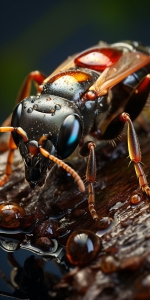
The Intricacies of Spider Anatomy: A Detailed Overview
The world of spiders is a fascinating one, filled with diverse species, each characterized by their unique eight-legged body structure. These creatures, often associated with fear and disgust, are in fact marvels of nature's design. The spider anatomy is a wonder to behold, with its two main body sections - the cephalothorax and the abdomen, connected by a slender waist known as the pedicel. The cephalothorax, or the front part of the body, holds four pairs of legs, each serving a specific purpose for the spider's survival. The first pair, generally the longest, is used for feeling and probing. The second and third pairs assist in walking and climbing, while the last pair is often used to hold prey or work on the web. The abdomen, the larger and more flexible part of the spider's body, houses the spinnerets - organs that produce silk. This silk is used for various purposes, including forming webs for trapping prey, creating egg sacs, or even as a lifeline when the spider falls or descends from high places. But beyond their physical attributes, spiders play a crucial role in the ecosystem. They help control the population of insects, some of which are pests to crops and humans. So, next time you see a spider, try to appreciate its complex anatomy and the role it plays in maintaining nature's balance. If you are intrigued by spiders and want to delve deeper into their biology or have specific questions about their characteristics, you're in the right place. We are here to enlighten you with knowledge about these fascinating creatures.
Related Puzzles
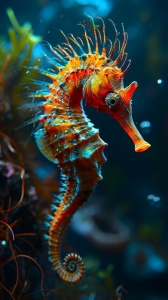
Diving into the Aquatic World: Unveiling the Mysteries of the Seahorse
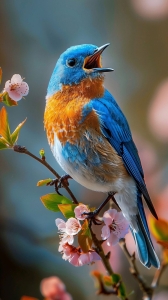
Melodious Moment: Vibrant Blue Bird Amidst Pink Blossoms
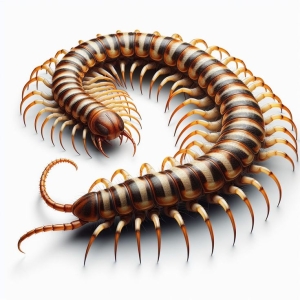
Unraveling the Mysteries of Centipedes and Millipedes: Earth's Fascinating Arthropods
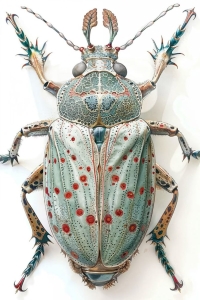
The Rainbow Beetle: A Study of Nature's Artistry

A Colorful Symphony: Blue and Red Bird Amidst Nature's Bliss
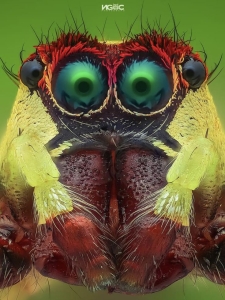
Macro Photography: Unveiling the World of Jumping Spiders
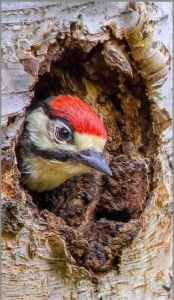
Woodpecker's Intriguing Hideout: A Peek into Nature's Wondrous Patterns