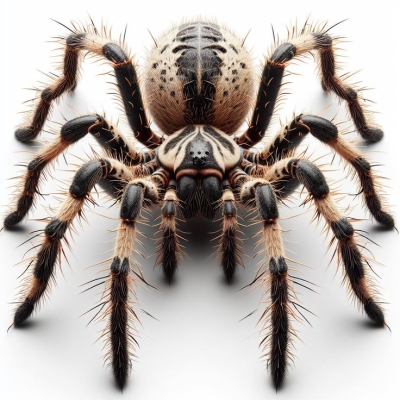
Intricate Details of a Spider: A Close-up Encounter
There's an undeniable sense of fascination that stems from observing a spider up close. This perspective offers a unique opportunity to admire the intricate details of its body and legs, each meticulously designed for survival. Spiders, often associated with webs and spooky folklore, are in fact, a marvel of natural engineering. Their bodies, although seemingly simple, are a complex combination of parts, each serving a specific function. Their eight slender legs, for instance, are not just for ambulation. They are also equipped with unique sensory hairs that detect even the slightest vibration in their surroundings, a key tool in hunting and evasion. The spider's body, too, is a marvel of nature's design. Encased in a hard exoskeleton that provides both protection and structure, it houses the vital organs and the spinnerets, the latter being responsible for the creation of their renowned webs. Understanding these details aids in appreciating these creatures beyond their stereotype. They are not just Halloween decorations or ominous omens in literature, but intricate beings with a crucial role in our ecosystem. So the next time you see a spider, take a moment to observe. You might just appreciate the complex beauty that lies in their detailed bodies and legs.
Related Puzzles
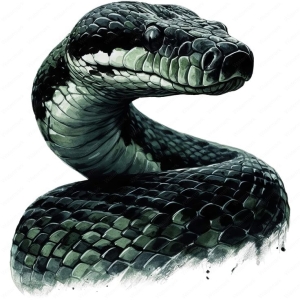
The Sly Serpent: Captivating Characteristics of Snakes
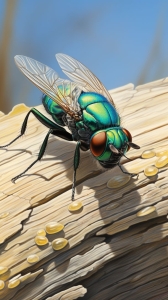
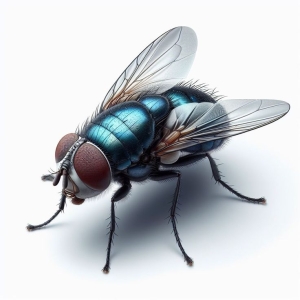
Remarkable Display of a Colorful Fly in Natural Habitat

Artistic Portrayal of Birds in Nature: A Vivid Feast of Apples

Melodious Moment: Vibrant Blue Bird Amidst Pink Blossoms
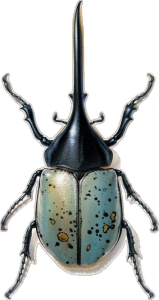
The Enchanting Rhinoceros Beetle: Nature's Jewel

Vibrant Beauty in Nature: An Exquisite, Colorful Beetle on a Leaf
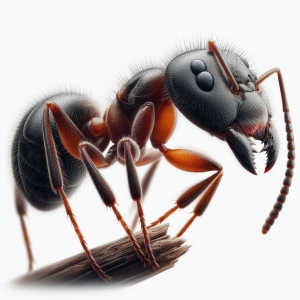
Close-Up Realism: The Intricate Anatomy of an Ant