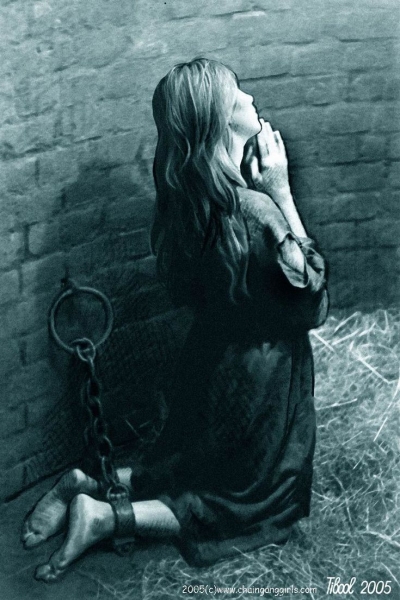
Kneeling Prisoner in Dimly Lit Cell: A Portrayal of Captivity and Desperation
In a dimly lit, claustrophobic setting, a figure kneels on the cold, unforgiving floor, a picture of sheer despair and sorrow. The person, clad in a long dress, their long hair cascading down, appears to be in a state of intense distress, possibly even prayer. This could be a plea for liberation, a desperate call to the heavens, or perhaps a self-reflective moment, an introspection of the decisions that led to their current state of captivity. The backdrop is a rough, brick wall, a symbol of harsh reality and confinement, a stark contrast to the freedom that lies beyond it. Chains and shackles lie in the vicinity, silent witnesses to the prisoner's struggle, their cold metallic sheen serving as a grim reminder of the character's predicament. The scene is somber, heavy with the weight of despair and desperation. It's a vivid portrayal of the life of a prisoner, offering a glimpse into their world of confinement, solitude, and perpetual longing for freedom. The image invokes feelings of sadness, resonating with the universal human fear of being restrained, of losing one's freedom. It serves as a stark reminder of the fundamental human rights that should never be compromised, a testament to the resilience of the human spirit in the face of adversity. This depiction of a prisoner in a dimly lit setting, the distinct theme of captivity, and the overwhelming sense of despair, all converge to create a powerful narrative that is as compelling as it is heart-rending.
Related Puzzles
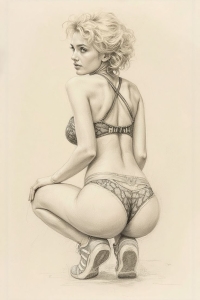
Expressive Figure Drawing: Fusion of Lingerie and Athleticism

The Mystery of Abstract Art: A Voyage Into the Unknown
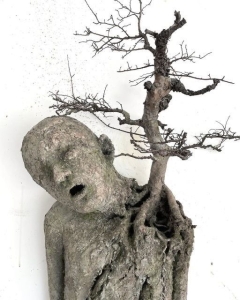
Interplay of Nature and Humanity: Artistic Sculpture Unveils Deep Connection
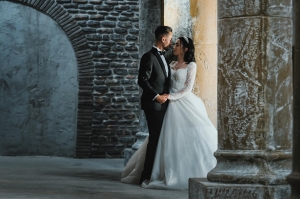
Bride in Love Amidst Beautiful Flowers: A Romantic Wedding Photoshoot
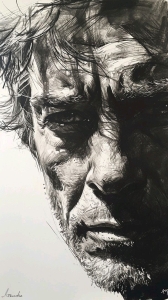
Monochromatic Portrait: Expressive Artistic Representation of a Rugged Man
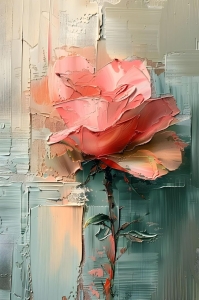
Artistic Rose: A Beautiful Flower Puzzle in Oil Painting Style
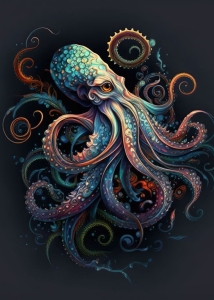
Artistic Octopus Representation: A Symphony of Vibrant Colors and Dynamic Design