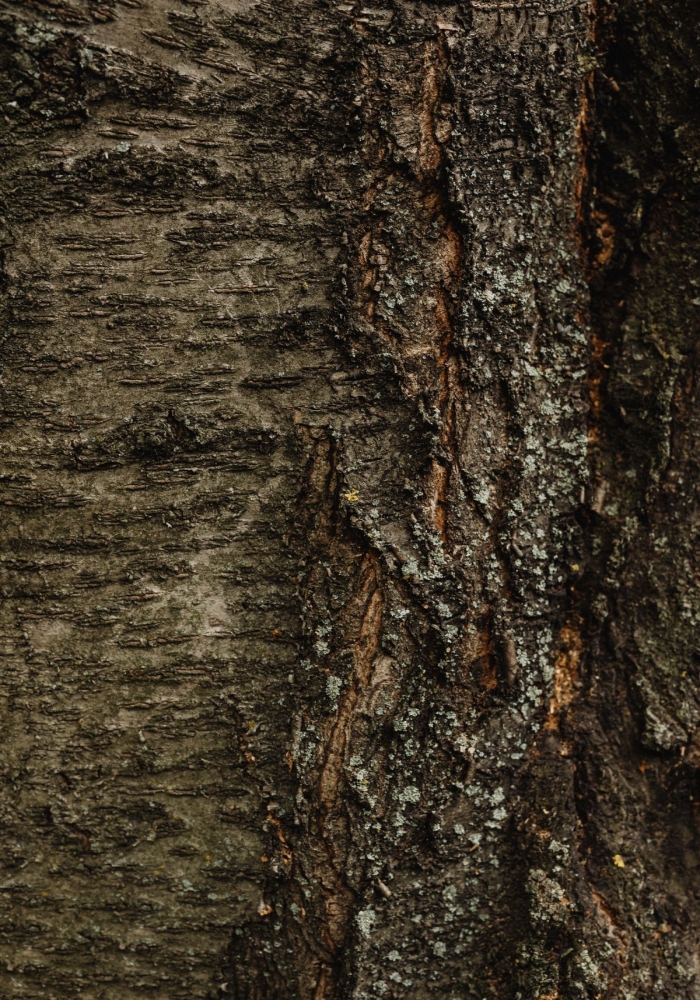
Unraveling the Intricate Patterns of Tree Bark Texture
As one delves into the world of tree anatomy, the texture of tree bark stands out as a captivating subject. This rugged and layered surface, rich with natural patterns and grooves, is the protective shield of the tree. Indeed, tree bark is not just an ordinary part of nature's architecture, but an intricate tapestry woven with the threads of survival and evolution.The tree bark texture is an exquisite showcase of nature's artistry, with its colors ranging from dark browns to grays. It's akin to an abstract painting, where every groove and ridge tells a story of time, growth, and resilience. The unique patterns etched into the bark are no random design; they are the tree's fingerprint, each one distinct and varying from species to species.But the tree bark is not just about aesthetics; it’s a testament to its vital functions. The rough and rugged surface serves as the tree's first line of defense against pests and harsh weather conditions. The layered structure of the bark, like the rings of a tree, is a living record of its age and growth.The diversity in bark texture and color is also a quintessential guide for those exploring the wilderness. It aids in the identification of tree species, making it a critical aspect for survivalists, naturalists, and outdoor enthusiasts. So, whether you're a nature lover, a science enthusiast, or simply a curious observer, the texture of tree bark offers a fascinating glimpse into the life and times of trees.Remember, every tree has a story, and its bark is the cover of that book. So next time you're in the midst of nature, take a moment to appreciate the intricate patterns and the rich tapestry of colors that the tree bark presents. Each groove and layer is a chapter in the tree's life, a testament to its resilience and a reminder of the enduring beauty of nature.

Related Puzzles

Majestic Eagle: A Close-Up Exploration
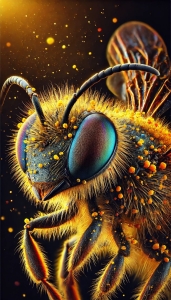
Macro Majesty: The Intricate World of Bees
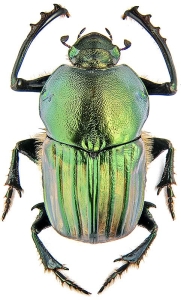
The Majestic Scarab Beetle: An Icon of the Insect World
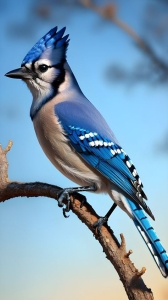
The Majestic Blue Jay: A Study of Beauty and Intelligence
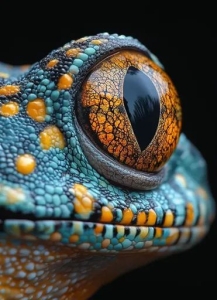
The Vivid Elegance: A Close-up of an Exotic Blue Gecko

Intricate Beauty: A Close-Up Look at a Colorful Lizard

Harmonious Bond: A Mare and Her Foal in the Wild