The Striking Beauty of Herons: A Study of Wetland Birds
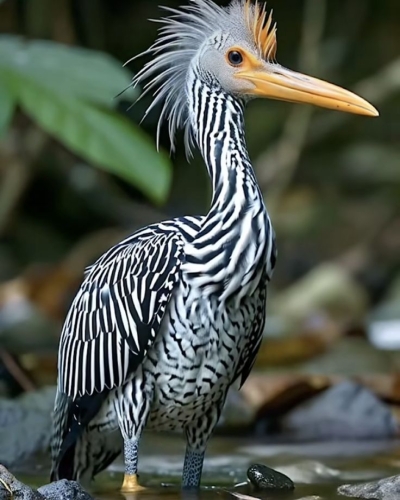
Herons, a species of wading birds, are renowned for their striking appearance, which sets them apart from other avian species. They are a spectacle of nature's artistry, with their bold black and white stripes that captivate both casual observers and avid birdwatchers alike. These stripes, coupled with their prominent crest, are a testament to their unique beauty. But it's not just about the aesthetics. The vibrant interplay of their black and white feathers serves a functional purpose too, aiding these birds in their survival in the wild by providing effective camouflage in various environments.<br /><br />Their long, orange beak is another standout feature. It's not just a striking visual element, but also a highly effective tool for hunting. It allows herons to catch prey with precision, making them formidable hunters of aquatic and terrestrial creatures. This serves as a reminder of the intricate balance of nature, where beauty and functionality coexist seamlessly.<br /><br />Herons are often found in wetland habitats, where they thrive. These ecosystems, with their abundant water and food resources, provide the perfect environment for these birds. Watching a heron wade through the shallows with grace and tranquility can be an incredibly soothing experience. It's a sight that encapsulates the peaceful coexistence of different species in wetland ecosystems.<br /><br />Through their striking appearance and fascinating behaviors, herons symbolize the beauty and diversity of life in wetland habitats. They serve as a reminder of the intricate and delicate balance of nature, urging us to appreciate and protect our natural world.

Related Puzzles

Enigmatic Beauty of a Bearded Dragon: A Close-Up Encounter
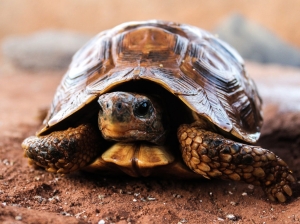
Tortoise: The Majestic Reptile with a Hard Shell

Joyful Otter: A Captivating Portrait of Animal Happiness
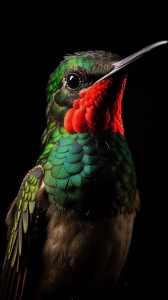
Vibrant Hummingbird: A Symphony of Green and Red
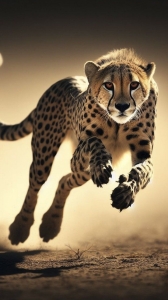
Cheetah in Motion: Embodying Speed and Agility
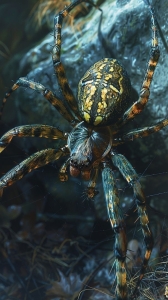
The Intricate World of Spiders: An Exploration of Their Natural Habitat
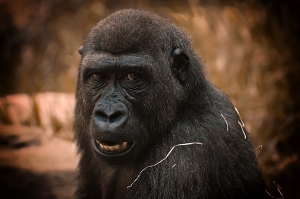
Gorilla's Majestic Close-up: A Study in Primate Expressions