The Intricate Life of Bumblebees: Masters of Pollination
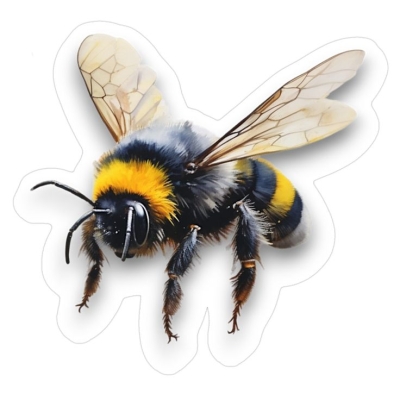
Bumblebees, with their fuzzy bodies and distinctive yellow and black coloring, are some of the most recognizable creatures in the insect world. Their wings, a testament to their agility and resilience, enable them to travel vast distances in search of nectar-rich flowers. These bees are not merely creatures of beauty; they play a crucial role in our ecosystem as key agents of pollination. Their fuzzy bodies, unlike their sleeker honeybee cousins, are perfectly designed to collect pollen, the plant's male gamete. As bumblebees buzz from flower to flower, they leave traces of this golden dust behind. This pollination process is vital for the reproduction of many plant species, including a large proportion of our food crops. Bumblebees are, therefore, much more than just small insects with a distinctive color scheme. They are tireless workers, contributing significantly to biodiversity and to our own food supply. Their presence is a sign of a healthy ecosystem, and their conservation is of utmost importance. Despite their small size, bumblebees cast a large shadow over our world, reminding us of the intricate interconnections within nature that make life as we know it possible. As climate change and habitat destruction threaten these creatures, it becomes increasingly important to understand and appreciate their roles. From their unique physical features to their vital role in pollination, bumblebees showcase the beauty and complexity of our natural world. They remind us that every creature, no matter how small, plays a part in the grand scheme of things. By observing and studying these buzzing insects, we not only gain insight into their fascinating world, but we also become more aware of the intricate connections that bind us all. Bumblebees, in their humble yet crucial role as pollinators, remind us of the delicate balance of nature and our responsibility to protect it.