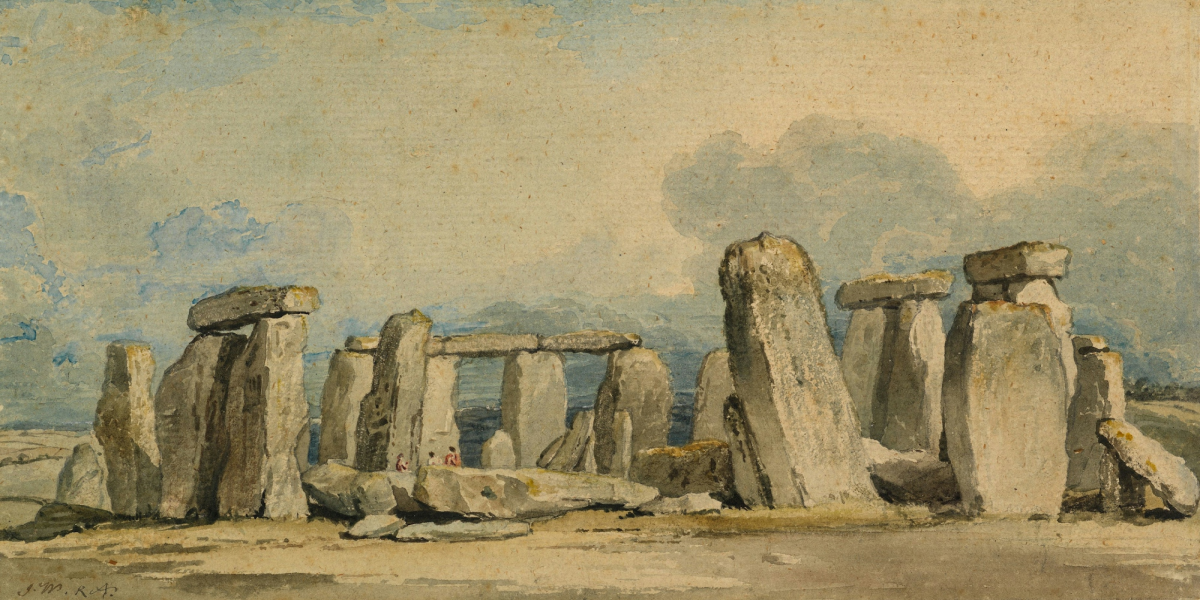
Painting of Stonehenge. Stonehenge, 1845 by James Ward
James Ward's 1845 painting of Stonehenge captures the enigmatic and timeless essence of this prehistoric monument. Stonehenge, located on Salisbury Plain in Wiltshire, England, has fascinated artists and historians alike for centuries. Ward, known for his detailed landscapes and animal paintings, brings his unique perspective to this iconic site.In this artwork, Ward skillfully uses light and shadow to emphasize the monument's mysterious aura. The stones, depicted with meticulous attention to texture and form, stand against a dramatic sky, suggesting both the passage of time and the enduring nature of human curiosity. The composition invites viewers to ponder the purpose and origins of Stonehenge, evoking a sense of wonder and reverence.Ward's choice of colors and brushwork reflects the Romantic era's fascination with the sublime and the natural world. The painting not only serves as a visual record of Stonehenge as it appeared in the mid-19th century but also as an artistic exploration of its spiritual and historical significance.Through this work, Ward contributes to the ongoing dialogue about Stonehenge's role in human history, encouraging viewers to consider its place within the broader tapestry of cultural and natural heritage. His portrayal of Stonehenge remains a testament to the enduring allure of this ancient site and its power to inspire art and imagination across generations.


Related Puzzles

Serenity in Cinque Terre: A Woman by the Fountain Amidst Historic Architecture

Sunny Delight at the Fontainebleau Las Vegas Pool

Urban Giants: The Modern Skyline
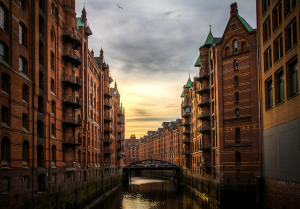
The Timeless Charm of Hamburg's Speicherstadt

A Day at the Fontainebleau Las Vegas Pool: Tropical Paradise in the Heart of the City
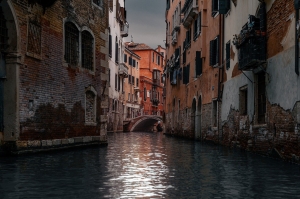
Venetian Waterway: A Journey Through a Historic Canal

Green Architecture: A Blend of Nature and Modern Design