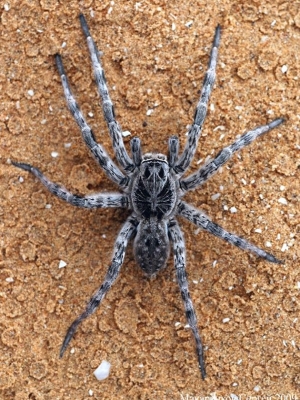
Unraveling the Mysteries of the Dark-Colored Spider
The world of arachnids is vast and fascinating, with the dark-colored spider being one of its most intriguing inhabitants. This spider, enveloped in hues of shadow and mystery, boasts a body structure that's representative of many species within the spider kingdom. Its dark coloration not only makes it a unique spectacle but also serves important functions in its survival and behavior.Primarily, the dark coloration is a perfect adaptation for the spider's environment. It offers a form of camouflage that's crucial during hunting and keeping away from predators. This characteristic is a testament to nature's grand design, where every creature is uniquely equipped for survival.The spider's body structure is another captivating facet. Comprised of two main parts – the cephalothorax and abdomen – it is a marvel of biological engineering. Eight legs, each equipped with multiple joints, allow for precise movements and rapid responses, vital for capturing prey or escaping danger.Understanding spiders and related topics can be both captivating and insightful. These creatures, often misunderstood due to their appearance, play a crucial role in maintaining the balance of ecosystems. They help control the population of other pests and provide a food source for a variety of birds and mammals.The dark-colored spider is more than just an object of fear or fascination. It's a symbol of the intricate and complex web that is nature's biodiversity. So next time you encounter one, remember the role it plays in our ecosystem and appreciate its unique attributes.

Related Puzzles
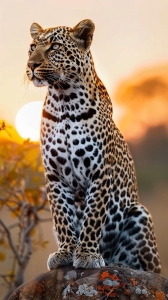
Sunset Leopard: A Majestic Encounter in the Wild
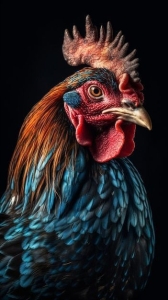
Vivid Plumage: A Close Encounter with a Rooster
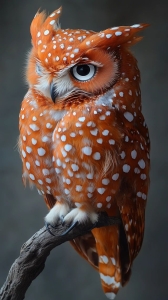
The Unusual Orange Owl: A Rare Spectacle in the Animal Kingdom
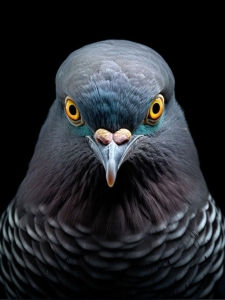
The Enthralling Gaze: A Pigeon's Portrait
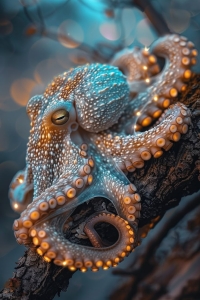
Mysteries of the Deep: The Vibrant Octopus in its Natural Habitat
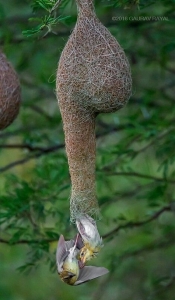
Weaver Bird's Nest: A Cradle Hanging from Nature
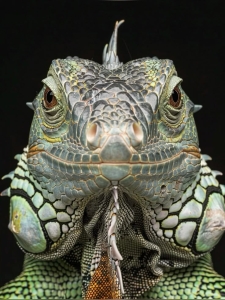
Up-close Encounter with an Iguana: Detailing its Textured Skin and Distinctive Features