The Colors and Textures of Tree Bark
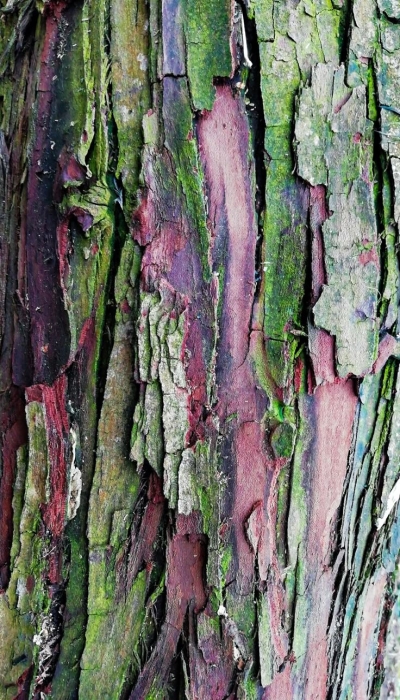
Venture into the world of nature, where the simplest elements often host a world of wonder and beauty. Take, for instance, the surface of a tree bark, an often overlooked but intriguing component of our environment. Its rough and rugged exterior, typical of tree bark, presents a tapestry of layers and grooves that are a testament to the tree's age and the conditions it has weathered. The bark’s texture, an ensemble of peaks and valleys, is a physical embodiment of the tree's resilience and determination to survive despite the harshest of elements. But the bark is more than just a testament to strength and endurance. It is a canvas that holds an array of colors, each narrating a unique story. Shades of brown, the base hue, reflect the tree's earthy roots while green patches are suggestive of moss, a symbiotic partner in the tree's journey. An occasional reddish tone is a hint towards the tree's adaptability, changing with the seasons, showing a different facet of its personality with each passing month. As the colors and textures intermingle, they form patterns as unique as fingerprints, making each tree a distinct entity, a solitary sentinel in the woods. As such, tree bark is not just a protective layer but a living piece of art formed by nature's hand. So the next time you pass by a tree, take a moment to appreciate the beauty in its bark. You never know what stories it has to share.
Related Puzzles
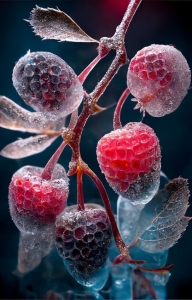
Frozen Splendor: A Dance of Ice-Covered Berries

Humorous Campus Encounter: Squirrel Enjoying Chicken Wing in Roehampton, London
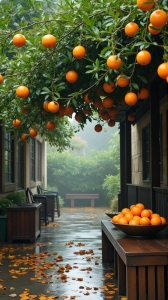
Mystical Orange Grove: A Sanctuary in Nature
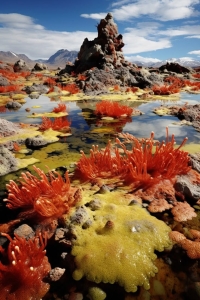
Radiant Display of Extremophile Microbial Mats in Geothermal Landscape

Vibrant Underwater Marvels at Nagoya Aquarium, Japan
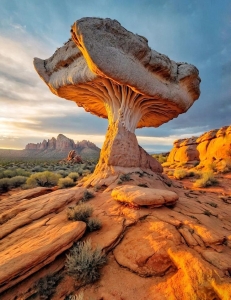
Majestic Mushroom Rock: A Geological Wonder Bathed in Sunrise

Embracing Serenity: The Fusion of Sunset and Mountainous Terrains