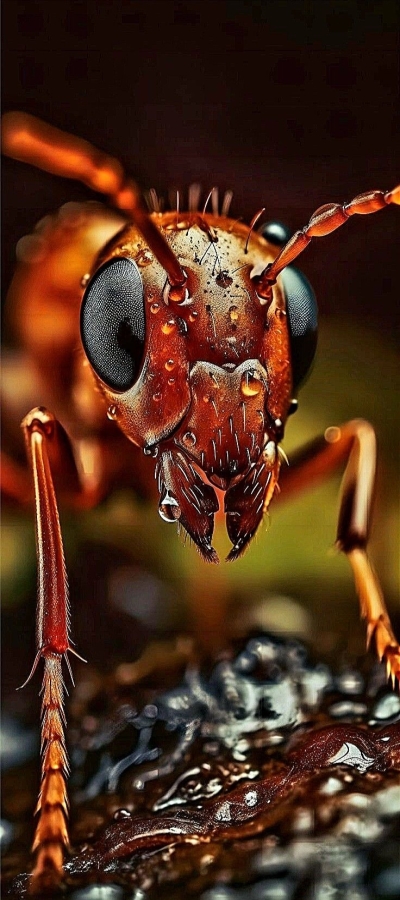
Intricate World of Insects: A Detailed Look at an Ant's Anatomy
Nature is filled with wonders, many of which are often overlooked due to their minuscule size. Among these overlooked marvels is the common ant, an insect that is as fascinating as it is ubiquitous. The ant, despite its small stature, is a creature of intricate design and complex biology. A close-up examination of an ant reveals a world of detail that often goes unnoticed by the naked eye. From their compound eyes, made up of tiny lenses that provide a mosaic view of their surroundings, to their powerful mandibles, ants are nature's tiny engineers. The focus on the ant's anatomy underscores the awe-inspiring complexity of nature's smallest beings. Their bodies, though minuscule, are made up of different textures and colors that speak volumes about their lifestyle and the environments they inhabit. For instance, their exoskeletons are not just protective shells but also tools for communication and survival. The varying shades of color, from reddish-brown to black, can reveal the ant's species, age, and even its role within the colony. The ant's anatomy, from its segmented body to its powerful mandibles, is a testament to nature's precision and ingenuity. Each feature serves a vital role in the ant's survival, from foraging for food to defending its colony. Indeed, the humble ant is a testament to the beauty and complexity that can be found in even the smallest corners of the natural world.

Related Puzzles
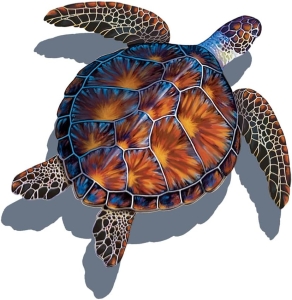
Exploring the Vibrant Beauty of Marine Life: The Sea Turtle's Colorful Shell
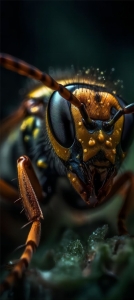
The Intricate Beauty of Wasp Macro Photography

Tarantula in its Natural Habitat: An Insight into Arachnid Wilderness
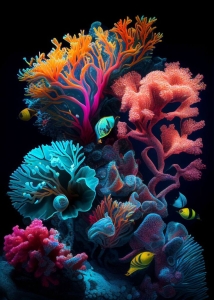
Underwater Odyssey: Unveiling the Colors of Marine Life

Serene Beauty of Bell-Shaped Flowers in a Natural Setting

The Majestic Crested Bird and Its Flock Amidst Nature

Vibrant Underwater Wonders: Exploring the Coral Reef Ecosystem