Unveiling the Complex Architecture of Neurons: A Close-up View of the Nervous System
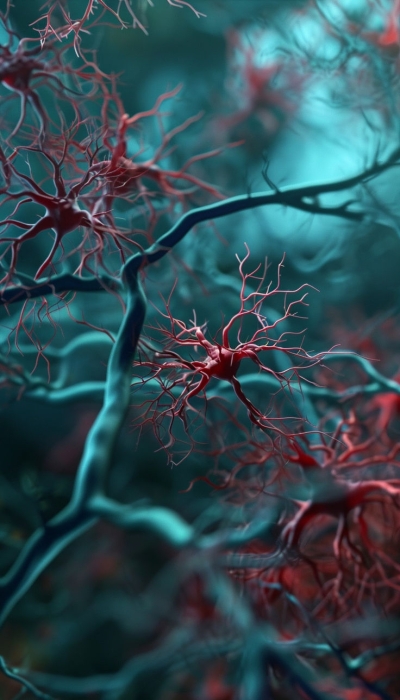
In the intricate realm of biology, few structures are as complex and fascinating as neurons or nerve cells. Neurons serve as the body's electrical wiring, communicating with each other via an expansive network of synaptic connections. Each neuron is a marvel in its own right, a testament to the wonders of biological design and evolution. Their branching structures form the crux of our nervous system, a web of connections that enables us to move, think, feel, and experience the world around us. The neuron's intricate design is not just functionally critical; aesthetically, they resemble a fascinating organic tapestry, a living artwork drawn in cells and fibers.In scientific contexts, close-up views of these cells are often used to illustrate the complex architecture of the nervous system. Like an abstract painting, these images reveal a stunning network of interwoven branches, each thread representing a synaptic connection. This visual representation not only helps us understand the structure of neurons but also highlights the vast neural networks they form. It is within these networks that our thoughts, memories, and consciousness reside.The colors used in these images are more than just a visual aid. They often represent different aspects of the biological tissue, such as the density of synaptic connections or the activity level of different neurons. By color-coding these elements, scientists can better understand the functional dynamics of our nervous system and explore new ways to treat neurological disorders.In conclusion, the visual representation of neurons is a mesmerizing blend of art and science, a testament to the beauty inherent in the complexities of life. It serves as a reminder of our vast potential, the intricate networks that drive our thoughts, our actions, and ultimately, our existence.