Classical Artistry: Depiction of Mortality through a Nude Figure and Skull
The world of classical art is often filled with symbolism and deep philosophical themes. One such striking piece presents a historical representation of a nude figure, likely a woman, cradling a skull in her arms. This haunting yet beautiful scene, common in classical art, is a profound exploration of mortality and the human condition. The nude figure, her body exuding a sense of vulnerability and rawness, holds the skull gently, almost reverently. The skull, a universally recognized symbol of death, serves as a stark contrast to the vibrant life embodied by the woman, thus enhancing the themes of life, death, and the transience of human existence. Below her, other figures gaze up, their expressions mirroring the poignant message carried by the main figure and her macabre companion. The drama intensifies against the backdrop of a turbulent sky, its swirling colours and patterns suggesting an impending storm or celestial upheaval. This artistic composition, steeped in emotional depth and philosophical contemplation, is an epitome of classicism that continues to enthrall art enthusiasts, historians, and scholars. Whether one perceives it as a morbid reality check or a celebration of the ephemeral nature of life, the artwork's thematic richness and aesthetic brilliance remain undeniable. Through this masterpiece, the artist profoundly explores and presents the eternal themes of mortality and the human condition, leaving a lasting impression on its viewers.



Related Puzzles

Captivating Gaze: A Study of Facial Features Through Sheer Fabric

Vibrant Expressions: The Colorful Illustration of a Squawking Parrot
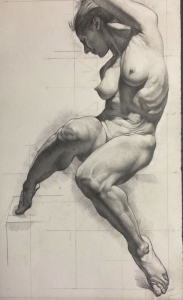
Mastering the Art of Human Figure Drawing: A Study in Charcoal and Pencil

Artistic Jewel-Like Bee: A Detailed and Vibrant Depiction

Vibrant Watercolor Painting of a Serene Pond with Water Lilies

Mystical Gaze: The Dragon's Fiery Eye

Melancholic Melodies: The Contemplative Cellist